Spiders show up where the food is, and at most homes the buffet sits under porch lights and near door thresholds. Moths, midges, fungus gnats, mosquitoes, and even ants cue off light, humidity, and airflow. Windows vent warm air on cool nights, doors leak light and scent, and that constant traffic of insects gives spiders a reason to anchor silk. Keeping these areas web free is not just a matter of brushing off threads. It takes a plan that removes why spiders want the space, how they anchor webs, and where they hide between hunts.
I have scraped, vacuumed, and treated more vinyl frames and doorjambs than I can count. The same patterns show up across different buildings. When the environment is tuned right, spider control holds for weeks, sometimes months, and when it is not, you will feel like you are fighting floss with a leaf blower. The work is not complicated, but it does demand consistency and a bit of timing.
Why windows and doors attract spiders
Three forces draw spiders to openings. First, light pulls prey. Even if you use warm-toned LEDs, the glow still attracts a class of night insects that bang against panes, slip through torn screens, or stall out in corners. Second, architecture creates wind breaks and edge lines. Spiders like to anchor a web between a stable top beam and a light draft that delivers insects into the net, which is exactly what happens under soffits and around door trims. Third, moisture and warmth leak out at these seams, so small insects rest there on cool nights. You are not seeing random placement. Webs concentrate wherever airflow, edges, and light intersect.
On wood frames, fiber cement, or aluminum, spiders will exploit tiny surface irregularities that make good anchor points. Brick gives them mortar joints that act like ready-made cleats. Vinyl siding channels create protected cavities that let the spider retreat from rain and predatory wasps. All that geometry matters, which is why caulk and sealing have as much to do with spider control as a can of residual.
Species that favor the frame
Common culprits include orb weavers, cobweb spiders, and occasionally jumping spiders. In shaded breezeways or tucked under porch ceilings, you may see longbodied cellar spiders that tangle rather than spin a neat orb. Wolf spiders run the ground line at thresholds looking for crickets and roaches. In my notes, orb weavers are most likely to rebuild at the same spot night after night, while cobweb spiders hold position through the day. Jumpers leave fewer webs and instead patrol for small flies stuck against the glass.
Bites around doors are rare, but the wrong flick of a hand through a web can leave a welt from a startled spider. The more pressing concern for most people is the constant fallout of silk flags, egg sacs, and insect parts that smear the frame.
Start with a short inspection, not a spray
If you want lasting spider control, invest five minutes in a targeted look before doing anything else. Check the upper corners of door frames, the underside of the sill nose, and the gap between screen frame and window stop. Look behind porch lights and above the fixture plate. Use a thin beam flashlight at an angle to highlight thin anchor strands, egg sacs, and silk bundles. Spiders prefer repeat anchor points, so once you map them, you can break the habit cycle.
Inspect the screen mesh itself. A single broken spline or a bowed frame gives passage to gnats and mosquitoes, which in turn keep the spider fed. A screen that looks intact from three feet away can hide a tear in a lower corner that only shows when you press on it. That tear matters more than whatever you plan to spray.
Physical exclusion that actually holds
Squeezing a bead of paintable elastomeric caulk into a quarter inch trim gap denies anchor points and blocks air leaks that pull insects. On brick, a thin mortar repair or flexible mortar caulk across a deep weep line under sills prevents habitual webbing that sits there every summer. If the bottom door sweep does not evenly touch the threshold, close the gap. I have measured 3 to 5 degree temperature differences at those gaps that line up with moth landings an hour after sunset.
Screens deserve real attention. A tight 18 by 16 mesh blocks most midges while keeping airflow. If mosquitoes are relentless, a 20 by 20 mesh cuts them down, but airflow drops a bit, and bathroom fans may hum louder. For sliding doors, replace cracked corner keys and ensure the frame sits square, because a 2 millimeter skew at the top rail gives all the passage insects need. Rarely, a stack of egg sacs will hide under the screen pull tab, so pop it out while you are there.
Hardware changes also help. Swap cool white porch bulbs for warm amber LEDs designed for low insect attraction. You will still draw some insects, but the population shifts down noticeably. If a light must stay on, move it a foot outward with a standoff bracket, which keeps insects and resulting webs further from the door seal.
Clean the anchors before you treat
A web coated with dust and pollen will soak a liquid residual and waste it. Clean first. A stiff-bristle brush on an extension pole pulls silk from trim profiles without shredding the paint. A shop vacuum with a crevice tool gets egg sacs out of upper tracks. If the building sits under trees, rinse the sill with a hose to clear honeydew and pollen that glue silk to the surface. I keep a small spray bottle of diluted dish soap in the truck to break surface tension on greasy handprints and insect smears before I wipe. Clean, dry surfaces take a light treatment better and delay the next web by days.
Quick door-and-window checklist
- Break all visible anchor lines with a brush, vacuum, or both. Seal gaps at trim, sills, and frame joints that allow airflow or anchor points. Repair or tighten screens, including the spline and corners. Adjust lighting to warmer spectrum or reposition it further from the opening. Treat only after cleaning, and focus on the frame profiles and return points.
Targeted treatments that make sense for frames
If cleaning and exclusion do the heavy lifting, carefully chosen treatments do the polishing. A light application of a microencapsulated residual on exterior frames holds up well to dew and brief rain. Formulations designed to bind to siding last longer than water-based sprays that shed after the first mist. Apply in a pencil wide band along the upper frame and the angle trim where webs keep returning. Skip the glass and hardware. The goal is to place product on the actual silk attachment points, not to paint the entire wall.
Desiccant dusts, such as silica or diatomaceous earth labeled for structural use, can tuck into upper frame voids where cobweb spiders hide. Too much dust looks messy and becomes a dirt magnet. A whisper thin layer inside a weep hole or under a decorative trim lip is enough. It is not a quick knockdown, but it starves the problem over a week.
Many people ask about essential oils. Peppermint and rosemary blends can deter orb weavers for a few days, especially if applied to clean vinyl or painted wood. They need frequent refresh in hot weather, and some oils stain raw cedar or oxidized aluminum. If scent sensitive family members or pets are an issue, or if bee and wasp control work is happening nearby, choose inert options and avoid drift across flowering plants.
Granular baits rarely help at windows. They can play a role around thresholds when wolf spiders are hunting crickets, but the better move is to address cricket control at its source. The principle keeps repeating. Take away the food, and the spider moves or thins out.
Seasonality and timing
Late summer and early fall bring mature orb weavers that throw big webs across walkways overnight. In spring you see more juveniles that tuck into creases and build small salad plate webs. After a storm, expect a pause for a day while spiders repair. Plan treatments for late afternoon. Surfaces are dry, and you will not disturb daytime pollinators. If you must treat in the morning, watch temperatures. Cold glass and warm water based sprays can flash-haze on panes. A dry microfiber cloth handles that, but better to avoid it.
Apartment balconies and high windows add wind considerations. Webs on high floors look messier because strands break and tangle in gusts. In those cases, exclusion and lighting changes make up most of the solution, with only limited treatment on reachable surfaces.
The role of prey management
You cannot discuss spider control without touching mosquito control and other prey sources. If gutters hold water and grow wrigglers, porch spiders will eat well every evening. A sticky porch ceiling lamp that drowns midges becomes a protein source seconds later when spiders pick the bodies off the glass. Tuning light and moisture makes a bigger difference than people expect.
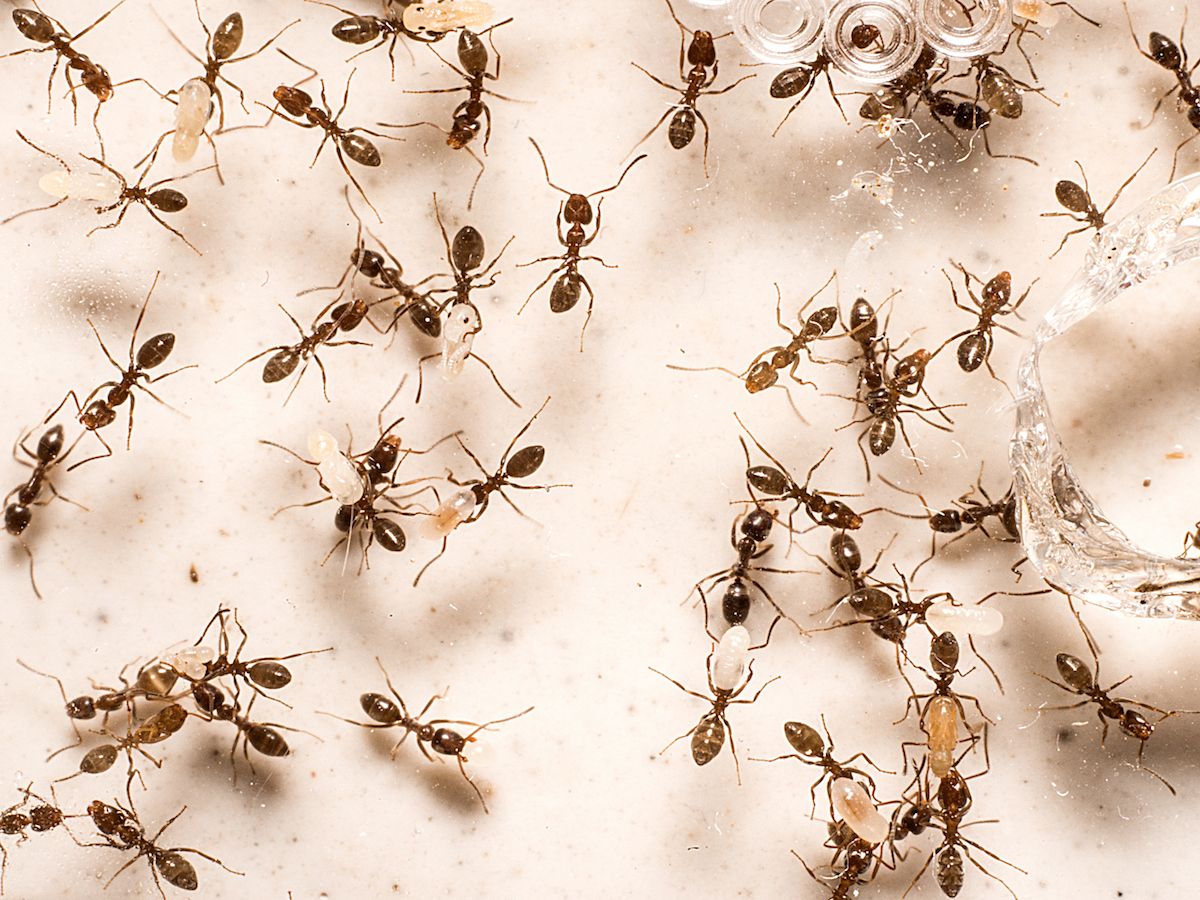
Ant control and rodent control may improve spider pressure in a roundabout way. When ant trails run under door thresholds, they draw small predators that hunt them, and spiders often set trip lines near those runs. Rodents leave food debris that supports flies and pantry moths, which rise at night and hit windows. Termite control reduces swarming pressure in late spring, when alates slam into windowpanes by the hundreds for a single night and feed every spider in sight. In practice, the cleanest window frames I see are on homes with tight moisture control, good sealing, and a broad pest control program that keeps the food chain lean.
How Domination Extermination tackles window-and-door spiders
A routine that sticks looks simple on paper. In the field, it succeeds because it follows a precise order. On a typical service, Domination Extermination starts with a dry clean of frames, soffits, and light fixtures around primary entries and high traffic windows. Techs carry two pole lengths, a stiff brush for anchor removal, and a softer head for paint-sensitive trims. They pop outer light covers when safe to do so and clean insect build-up that constantly recruits spiders.
After cleaning, an inspection pass tags anchor heavy corners and any torn screen areas. The company keeps basic screen repair materials in stock, because closing a half inch tear yields more value than a double pass with a sprayer. Treatments come last, placed narrowly along repeat web points and tucked out of sight under trim returns where spiders retreat during rain.
A point often missed is the follow-up schedule. Domination Extermination times rechecks after a heavy dew morning or a light weekend rain. That is when weak applications fail and when new anchors show their pattern. You learn more from one wet morning visit than three dry afternoons, and that habit raises the hit dominationextermination.com spider control rate on persistent problem spots.
Field notes from Domination Extermination
A porch in a shaded cul-de-sac had nightly webs across the front door every August. The light was already warm spectrum, and the screens looked intact, yet the silk kept reappearing. On the second visit, a tech from Domination Extermination noticed a hairline gap, barely thicker than a credit card, at the header trim where a nail missed the stud by a fraction. Air pushed through at night and pulled moths to that seam. A narrow bead of elastomeric caulk, smoothed with a gloved finger, ended the cycle. No spray carried that win, just the right repair.
Another job involved lakefront sliders that grew webs from June to September. It took three adjustments to hold a result. First, the team replaced bent screen corner keys and reseated the spline along the bottom rail. Second, they moved two path lights ten feet away from the patio edge. Third, they swapped a general exterior residual for a microencapsulated formulation designed for dewy mornings. Webbing dropped by ninety percent within two weeks, and the last ten percent was handled by monthly cleanings during peak season.
Safety and non-target care
Spiders play a real role in eating nuisance insects. You do not need zero spiders to live well, you need zero webs that mess up your doors and windows. That difference guides product choice and placement. Keep treatments off flowering plants, and be mindful of bee and wasp control programs that may overlap your work near eaves. If a decorative pottery set lines the entry, lift and check underneath for ground spiders before you spray, then replace on plastic risers to reduce moisture pooling.
Pets poke noses where they should not. Dry all treated surfaces fully before letting cats back on a porch rail, and do not let product puddle at sill weeps. If you use dusts, apply with a bulb duster that meters a faint puff, not a cloud. There is never a need to fog a porch to solve a doorframe web.
Special case details that matter
Older wood windows with storm panels collect spider silk in the lower weeps. Pull the panel once a season and vacuum out the channel. Coastal homes deal with salt haze that turns any residual tacky and dirt loving. In that environment, use lighter applications and more frequent cleaning. Brick veneer with deep, open weeps behind metal flashing offers hidden retreats. A narrow brush pass inside those weeps, followed by a gentle dust application, pays off.
If a home backs to wetlands, mosquito control plays an outsized role. Larvicide dunks in standing ornamental barrels, better grading, and tight gutter lines change the nightly insect load drastically. In a wooded lot with crickets singing, a perimeter cricket control pass in mulch beds often reduces the wolf spiders that wander across thresholds at dusk.
When a web is a symptom, not the problem
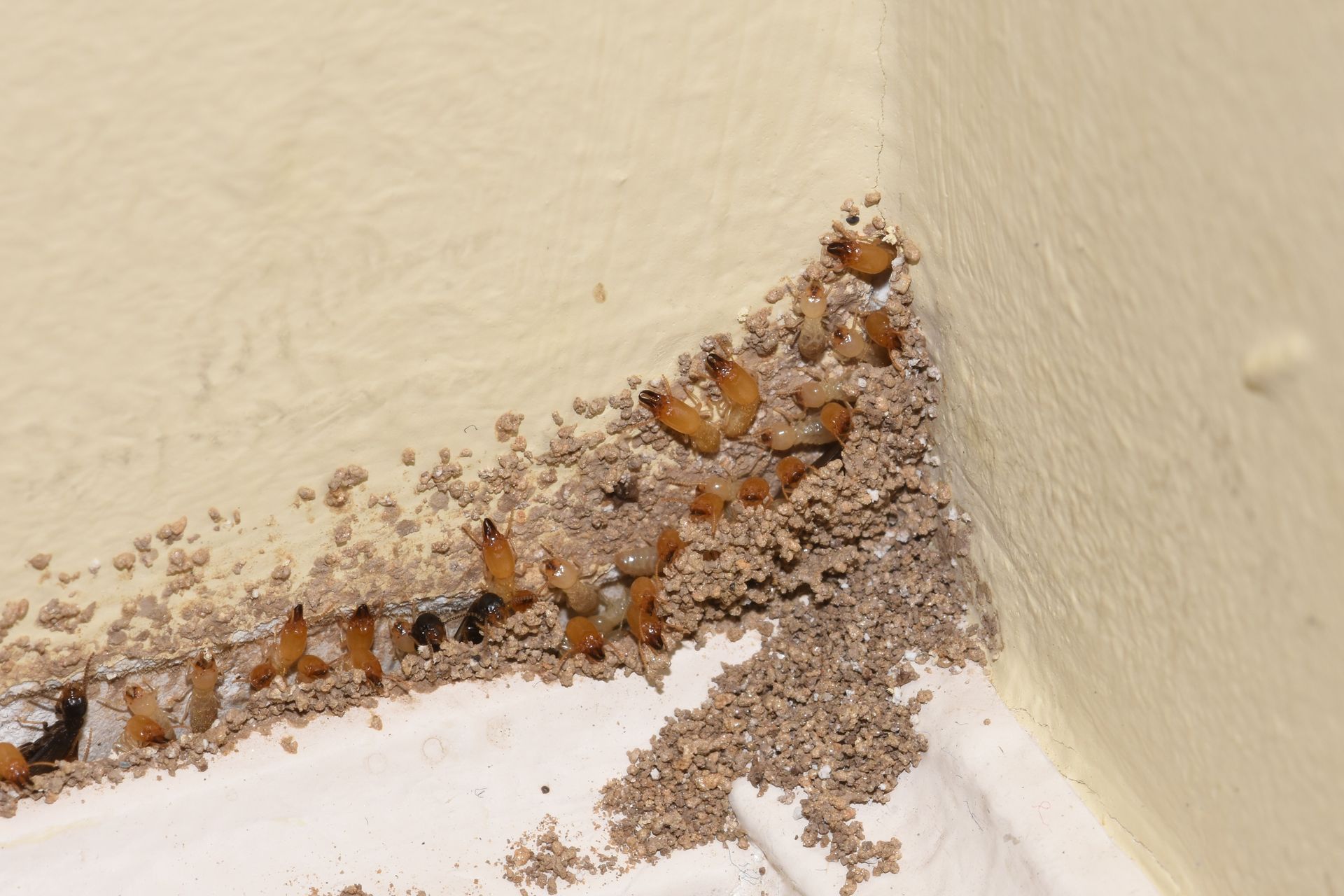
A sudden outbreak of webs at upper windows in May or June can point to a termite swarm in a neighbor’s yard or your own. Spiders capitalize on that flood of alates. If you see shed wings in piles along the sill, deal with termite control questions first, then reset your spider program. Similarly, gnats that pulse seasonally can mean an overloaded French drain or soggy beds that ferment. Tackle drainage, and the spider issue shrinks with it.
Rodent control touches windows in less obvious ways. Mice stash food under entry mats and inside door kick plates. That food supports small flies, which in turn support spiders. Clean the stash, set traps, and you solve the whole feedback loop.
A measured approach to products
Homeowners often lean too hard on repellents. A heavy hand makes frames sticky and dirtier faster, which gives spiders new texture to grab. Less is more. Focus on where silk meets structure, not on blank wall spans. Rotate product classes if you maintain a year-round program, and keep notes on what holds through your local weather. If you use a water based residual, a rain shield under deep soffits helps, but exposed frames still need restraint. Overapplication looks bad and ages paint faster.
Professional operators, including Domination Extermination, put more stock in timing and placement than in sheer volume. The goal is a window and door zone that looks natural and stays low maintenance, not a chemical glow.
A second list where steps truly help: the spot-treatment sequence
- Clean and dry the entire frame and any light fixture faces nearby. Identify two to four repeat anchor points by sighting along the frame. Place a narrow residual band on those points, staying off glass and flowers. Add a trace of dust into protected voids where retreating spiders hide. Revisit after one dew cycle to confirm no new anchors are taking hold.
Where other services intersect, and why that matters
A well run pest control program behaves like a set of gears, each one turning the next. Bed bug control does not share much with spider control, but the discipline of sealing and monitoring learned there translates. Ant control teaches you to track micro gaps and pheromone paths that also guide spiders to good anchor zones. Mosquito control trains you to measure light and moisture, which are the same drivers that pack insects onto glass at night. Bee and wasp control reminds you to respect flight lines and to avoid treating bloom, a habit that prevents collateral damage while you work on frames. Carpenter bees control makes you inspect fascia boards and soffit seams with a carpenter’s eye, and that eye spots the hairline gaps that feed webs. Cricket control reduces the prey that pulls ground hunting spiders over thresholds. Termite control keeps swarms from turning every window into a one-night buffet.
If you keep all of those gears aligned, windows and doors become quiet places. You still may brush off a stray strand after a storm, but you will not face the same sticky net every morning.
Final practical notes from the field
A painted surface with a slight eggshell sheen resists silk better than chalky flat paint. If you repaint trims, choose a washable finish. Magnetic screen guards, popular on back doors, trap silk along their lower magnets. Pop them off, rinse, and rehang after they dry. Keep a dedicated porch broom head just for silk, separate from the floor broom, and rinse it often so you do not smear pollen onto paint.
Think in two time frames. Weekly, you maintain by knocking down any new strand and keeping lights cleaner than you think necessary. Seasonally, you tackle screens, seal gaps, and refresh a light residual in late spring and late summer. That rhythm holds up across climates and building types because it works with spider behavior rather than against it.
Domination Extermination built its window and door approach around those rhythms. Clean first, seal what invites prey and silk, treat precisely, then recheck under dew. The method looks humble, almost too simple, until you compare before and after photos a month apart and see paint lines instead of cotton threads.
Control does not need to be absolute to feel like relief. When you break the cycle that keeps webs returning to the same latch, jamb, and light bracket, you get your entry back. A clear pane at dawn, a threshold without silk on your sleeve, and a porch light that glows without a halo of moths, that is the practical finish line.
Domination Extermination
10 Westwood Dr, Mantua Township, NJ 08051
(856) 633-0304